


With summer temperatures often exceeding 40°C across the UAE, hydration becomes more than a passing concern. According to Areen Rasheed Al Zorba, a clinical dietician, the right drink matters as much as the quantity.
She said the UAE’s relationship with hydration runs deeper than most people realise, shaped as much by tradition as by modern nutrition science.
Many of the country’s traditional beverages, she added, were never designed purely for taste, they were practical responses to a punishing climate, refined over generations long before refrigeration existed.
Stay up to date with the latest news. Follow KT on WhatsApp Channels.
Today, fresh fruit juices, particularly watermelon, lemon, orange, and mango, remain popular for their high water content. Coconut water, mint-infused water, and homemade smoothies round out the modern lineup.
Long before any of these existed, Bedouin communities had their own methods of beating the heat. Water was kept cool in clay pots or animal skins and carried in leather bottles, with Bedouins always aware of the nearest water source, several areas, such as Al Marmoom, were even named for their wells.
Sailors knew which spots in the sea produced drinkable water through summer, a skill that mattered most during the pearling season, when divers spent the hottest months, traditionally May to August, at sea.
Hot drinks, all year round
Karak and Gahwa stand apart, because they are never seasonal at all. Karak, made from strong black tea, milk, sugar, and cardamom, is consumed as often in August as in January, during a commute or shared among friends.
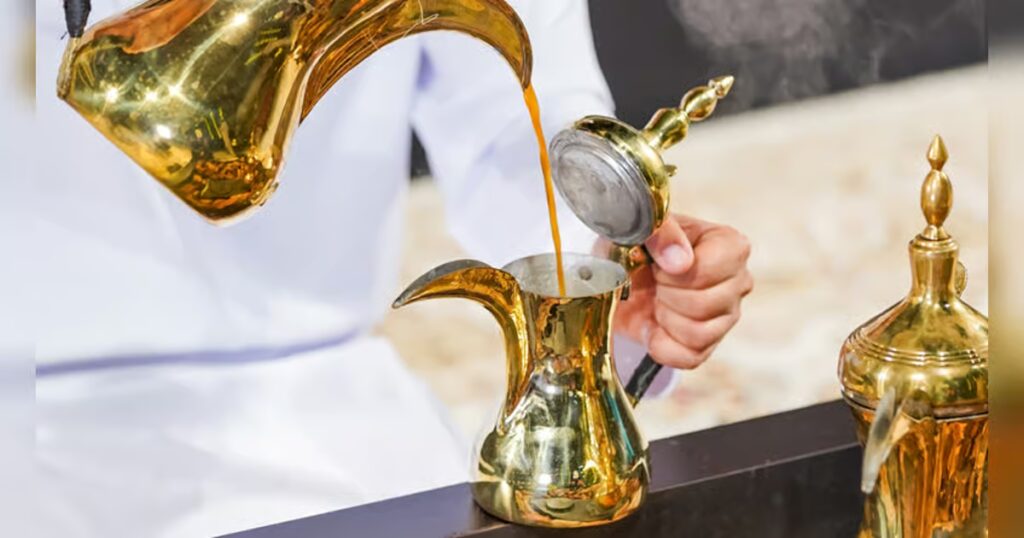
Gahwa follows the same pattern, lightly roasted beans flavoured with cardamom and saffron, served with dates to welcome guests regardless of the weather.
Al Zorba said this year-round habit is not as contradictory as it seems. A hot drink does not necessarily work against the body in extreme heat, she explained, and for many Emiratis, the ritual and the hospitality behind it matter just as much as the physical effect.
For summer specifically, Laban remains a top choice. Al Zorba pointed to its cooling properties alongside real nutritional value, rich in protein and probiotics that support hydration and digestion, which she said explains why it has stayed a household staple for generations.
Jallab, made from date syrup, grape molasses, and rose water, and Qamar Al-Din, an apricot-based drink, remain tied to Ramadan and family gatherings, a connection to the region’s culinary memory.
As the UAE embraces modern lifestyles, these drinks, Al Zorba said, offer more than refreshment. They carry the traditions and values that continue to shape Emirati culture today.
Source: Khaleej Times