


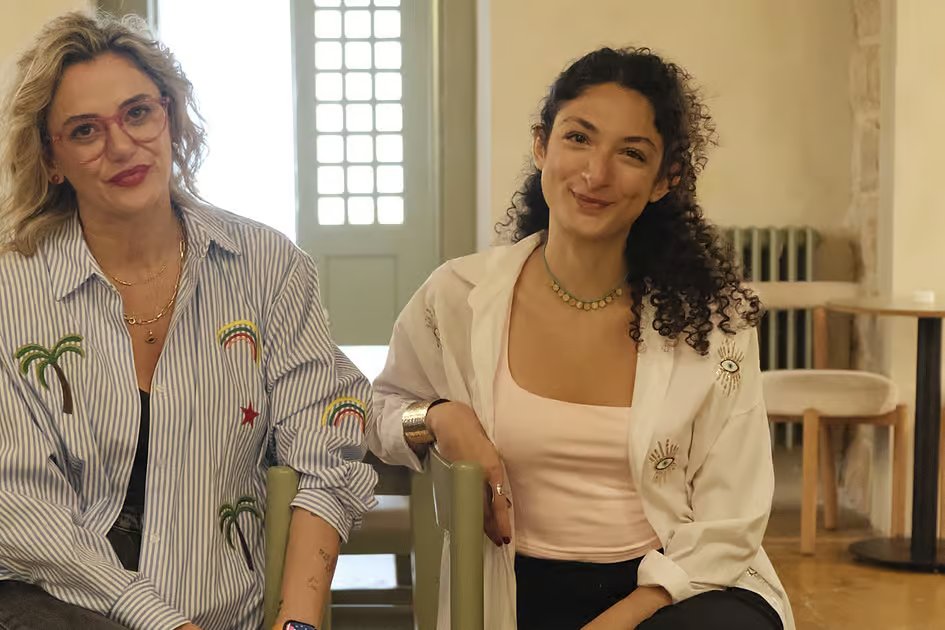
Instead of speaking to therapists, counsellors, or even family members, many Arab teenagers are increasingly turning to TikTok and social media platforms for mental health advice, something UAE-based startup Elggo says reflects a deeper gap in how emotional wellbeing is being addressed across the region.
“When nobody at home or at school opens that door, they go find answers on TikTok and social media instead, which is the worst possible place for it,” Mirna Mneimneh and Luma Makari, co-founders of Elggo told Khaleej Times
The founders believe the issue is not that Arab youth are unwilling to discuss mental health, but that many existing systems were not designed around the realities of Arab culture, language, and family dynamics.
Stay up to date with the latest news. Follow KT on WhatsApp Channels.
“They’re ready. That’s what people miss,” they said. “This generation of Arab teens is not the generation that came before them. They know what anxiety is. They know what burnout feels like. They have the language.”
According to the founders, many teenagers still hesitate to speak openly about therapy or emotional struggles at home, not necessarily because of stigma, but because they fear making conversations uncomfortable.
“The hiding isn’t about shame anymore,” they said. “It’s about not wanting to be the one who makes it awkward. Not wanting to be seen as the weak one.”
Why Western models feel incomplete
For years, mental health systems used across the Arab world have largely been adapted from Western models, translated into Arabic, and applied to communities with vastly different social structures, family dynamics, and cultural expectations.
But according to Mirna and Luma, this approach is no longer enough for a generation of Arab teenagers facing rising levels of anxiety, burnout, emotional isolation, and social pressure.
“They’re not wrong. They’re just incomplete,” said Mirna, CEO of Elggo, about why they believe Arab youth need a more culturally grounded approach to mental health support.
“The clinical frameworks are sound, but they were built for individualistic cultures and delivered in English,” Mirna continued. “In Arab societies, young people are often shaped by family expectations, community relationships, and collective pressures in ways Western systems may not fully account for.”
The founders argue that many existing mental health systems fail to fully capture the collective nature of Arab societies, where well-being is often deeply tied to family reputation, community expectations, and a sense of belonging.
“When you grow up in a collective culture, your well-being is tied to your family, your community, your sense of belonging,” Luma, CIO of Elggo, added. “A model that only treats the individual misses the full picture.”
Stay up to date with the latest news. Follow KT on WhatsApp channels.
The conversation comes amid growing awareness around youth mental health in the UAE and wider region, where schools, policymakers, and families are increasingly prioritising emotional wellbeing.
Prevention before crisis
Founded in the UAE, Elggo combines well-being education, AI-supported learning pathways, and clinical oversight into a platform designed specifically for Arab youth. The company works with schools across the region and says it has reached more than 17,000 young people across six countries.
Rather than positioning mental health support solely as therapy or crisis intervention, the founders say prevention needs to become part of everyday education.
“At Elggo, well-being is built into the school day like any other subject,” they said. “No drama. No clinical labels. Just learning about how your mind works the same way you’d learn anything else.”
The founders said the UAE has moved faster than much of the region in recognising the importance of youth wellbeing, with schools now being assessed on wellbeing standards and frameworks emerging around student mental health.
“The awareness is there. The policy is there,” they said. “What’s catching up is infrastructure.” Still, the region continues to face major shortages in Arabic-speaking mental health support.
“Less than one therapist per 100,000 people in the GCC. Under 10 per cent of those serve adolescents,” they said. “The demand is massive. The supply barely exists.”
For Makari and Mneimneh, language itself remains one of the biggest barriers.
“You can’t translate a Western app into Arabic and call it culturally relevant,” they said. “We think and feel in Arabic differently.”
The founders explained that many AI and digital wellbeing systems are trained primarily on English-language datasets, making them less effective in understanding emotional nuances expressed in Arabic dialects.
“A teen writing in dialect about how they feel is saying something very specific,” they said. “Our AI reads Arabic natively. It was trained on Arabic datasets, not translated from English.”
The startup was also shaped by the founders’ own experiences growing up in Lebanon and witnessing the psychological impact of instability and trauma, particularly after the Beirut port blast in 2020.
“Mental health wasn’t something we had to go looking for as a cause,” they said. “It was in our faces our whole lives.”
They added that the goal is not simply to add more counsellors into schools, but to rethink how support is delivered before young people reach a crisis point.
“You can’t hire your way out of a ratio of one counsellor to 800 students,” they said. “Prevention has to come first.”
Source: Khaleej Times