


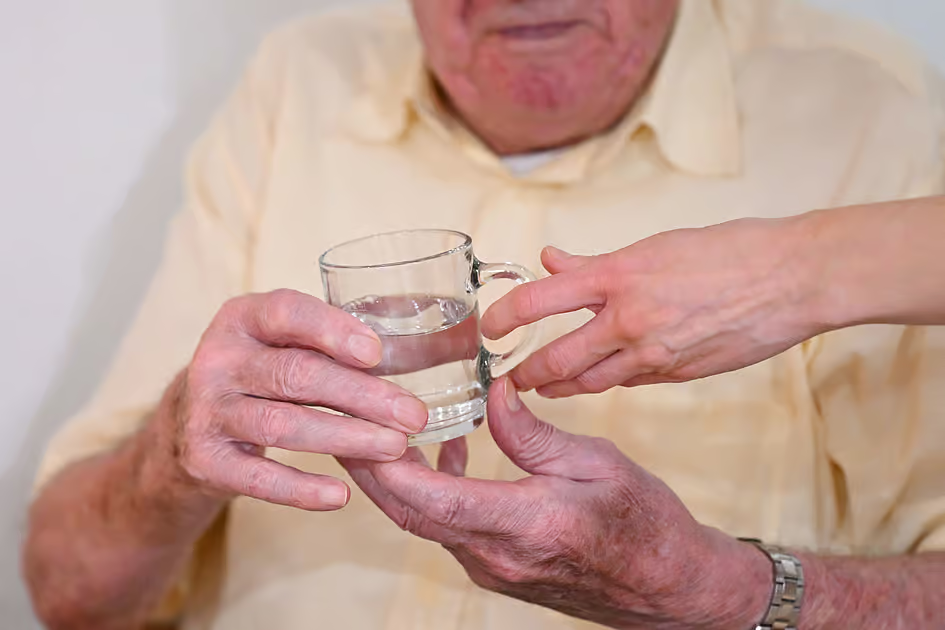
As temperatures rise across the UAE, doctors report a seasonal increase in kidney stone cases due to dehydration. Health experts note that many residents do not replace fluids lost through sweating, which creates conditions for kidney stones to develop.
This warning follows increased water loss from prolonged outdoor activity, physically demanding jobs, exercise, and daily commutes in extreme heat. Specialists emphasize that the risk affects not only construction workers and outdoor laborers, but also office workers, fitness enthusiasts, and anyone who does not stay adequately hydrated.
During peak summer, nephrologists and urologists advise residents to stay consistently hydrated, monitor urine color, and adopt dietary measures to reduce the risk of kidney stones.
Stay up to date with the latest news. Follow KT on WhatsApp channels.
Why summer increases the risk
Dr Ganesh Dhanuka, specialist in internal medicine and nephrology at International Modern Hospital Dubai, said dehydration remains the biggest culprit behind the seasonal rise.
“The UAE’s summer temperatures significantly increase the risk of dehydration, which is one of the leading factors in kidney stone formation. When the body loses fluids through excessive sweating and they are not adequately replaced, urine becomes more concentrated. This allows minerals such as calcium, oxalate, and uric acid to crystallize and gradually form stones inside the kidneys.”
Concentrated urine increases the likelihood of crystals forming and developing into stones.
“During the summer, urologists commonly see a noticeable increase in patients presenting with kidney stones because many people underestimate how much fluid they lose throughout the day, particularly those who work outdoors, exercise regularly, or spend long hours in hot environments. Maintaining adequate hydration helps dilute the urine and reduces the likelihood of crystals forming,” added Dhanuka.
Don’t ignore the early warning signs
Healthcare professionals note that kidney stones often begin with subtle symptoms, which are frequently mistaken for dehydration or muscle pain.
Dr Gurnam Singh Girniwale, Specialist Urologist at Aster Clinic, Al Khail Mall (Al Quoz), advises residents to pay attention to persistent discomfort.
“One of the biggest misconceptions is that kidney stones always present with severe pain. Early symptoms are often subtle and include intermittent flank discomfort, burning while passing urine, increased urinary frequency, blood in the urine, or nausea. These warning signs are frequently ignored or mistaken for muscle strain, urinary tract infection, or dehydration itself.”
He cautioned that symptoms can rapidly worsen as the stone moves through the urinary tract.
“If a patient develops fever along with kidney stone symptoms, it should be treated as a medical emergency, as it may indicate an infected obstructed kidney.”
Doctors note that symptoms may include lower back or side pain, cloudy urine, discomfort during urination, and blood in the urine. In hot weather, these signs are often mistaken for heat exhaustion, which can delay diagnosis and treatment.
Hydration alone isn’t enough
While drinking water is the most effective preventive measure, specialists recommend additional dietary and lifestyle changes, especially for those with a history of kidney stones.
Girniwale added, “While increasing water intake remains the cornerstone of prevention, residents should also aim to maintain a urine output of at least 3-3.5litres ( around 4-5litres in cases having history of kidney stone in the past) per day, reduce salt intake, avoid excessive consumption of animal protein and oxalate-rich foods when appropriate, maintain a healthy body weight, and include citrate-rich fruits such as lemons and oranges in their diet. Individuals with recurrent stones or a family history should undergo a metabolic evaluation so that preventive measures can be tailored to their specific stone type.”
He added that both published research and clinical practice in the UAE consistently show a seasonal increase in kidney stone cases during extreme heat.
Experts also recommend increasing plant-based protein sources such as legumes and seeds, reducing sodium by using less salt in cooking, and avoiding calcium or other dietary supplements unless prescribed. Since about 80 percent of kidney stones are calcium-based, taking calcium supplements without medical advice may increase the risk for some individuals.
Dr Hisham Abdelwahab, Consultant – Nephrology at Sultan Bin Zayed Hospital, Sharjah, advises that hydration should be maintained throughout the day rather than consumed in large amounts at once.
“In addition to drinking water, practical steps include sipping fluids steadily to keep urine pale, reducing salty and processed foods, limiting sugary sodas and salty snacks, and eating balanced meals with moderate meat and plenty of fruits and vegetables. If you have had stones before, consult a kidney or urology specialist for tests and tailored prevention. Outdoor workers should take regular breaks, rehydrate, and replace salts as needed.”
Source: Khaleej Times