


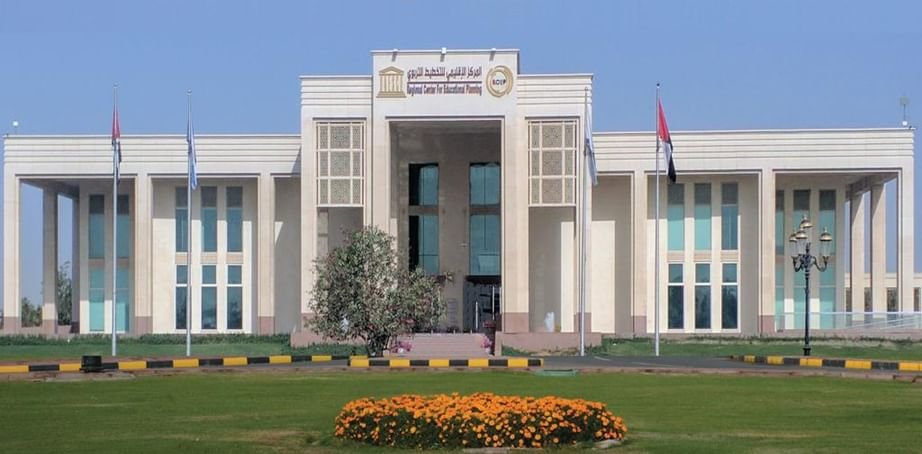
SHARJAH, 22nd April, 2026 (WAM) — The Regional Centre for Educational Planning (RCEP) organised an international seminar titled “Artificial Intelligence in Education: From Innovation to Responsible Transformation,” held virtually to coincide with World Creativity and Innovation Day.
The event brought together a distinguished group of decision-makers, experts, researchers, and education practitioners from around the world.
The seminar explored key global trends in leveraging artificial intelligence to develop education systems, with a focus on its implications for educational policy and strategy, its potential to enhance the quality of education, and the challenges related to governance and ethics. It also highlighted the role of AI in ensuring the continuity of education during times of crisis.
In her opening remarks, Mahra Al Mutaiwei, Director of RCEP), emphasised that education systems worldwide are undergoing an unprecedented transformation driven by rapid advancements in AI technologies.
She noted that these changes require rethinking traditional education models and strengthening the readiness of education systems to meet future demands—ensuring inclusive, equitable, and sustainable quality education for all, in line with Sustainable Development Goal 4.
The seminar featured contributions from several international leaders and experts, including Maha Zayed Qaqqa Al-Ruwaili, Assistant Undersecretary for Educational Affairs in the State of Qatar; Dr. Saud bin Saif Al Amri, technical expert at the Ministry of Education in the Sultanate of Oman; and Professor Rose Luckin, one of the world’s leading experts in artificial intelligence in education.
The sessions addressed a range of key themes, including the role of AI in educational policy and system planning; curriculum transformation and future skills; applications of AI in teaching and learning; issues of ethics and responsible use; and the importance of enhancing education systems’ preparedness to respond to crises.
The seminar also included an interactive panel discussion on the future of AI in education. Participants examined major challenges and opportunities associated with integrating these technologies, emphasizing that the real challenge lies not in adopting AI, but in how it is used to enhance the quality of education while preserving its human dimension.
Speakers highlighted that AI presents significant opportunities to support personalized learning, improve learning outcomes, and increase the efficiency of education systems. However, they stressed the need for clear governance frameworks to ensure responsible use, protect data privacy, and mitigate risks associated with algorithmic bias.
The seminar saw strong participation from representatives of ministries of education, educational institutions, universities, experts, and those interested in education and emerging technologies—reflecting growing interest in the role of AI in shaping the future of education.
Source: Emirates News Agency