
Close Menu
    What's New

    UK-based Indian nurse wins $250,000 Aster Guardians Global Nursing Award

    September 12, 2026

    UK reaffirms solidarity with Saudi Arabia during call between foreign ministers

    September 12, 2026

    Is AI solving the biggest problem in furniture shopping?

    September 12, 2026
    Facebook X (Twitter) Instagram
    Facebook X (Twitter) Instagram
    The Gulf GazetteThe Gulf Gazette
    • Home
    • KSA
    • UAE
    • GCC
    • Technology
    • Lifestyle
    • Sports
    The Gulf GazetteThe Gulf Gazette
    Home»Technology»HTC’s AI smart glasses reach the American market
    Technology

    HTC’s AI smart glasses reach the American market

    Editorial TeamBy Editorial TeamSeptember 8, 2026
    Facebook Twitter Pinterest LinkedIn Tumblr Email
    Share
    Facebook Twitter LinkedIn Pinterest WhatsApp Email

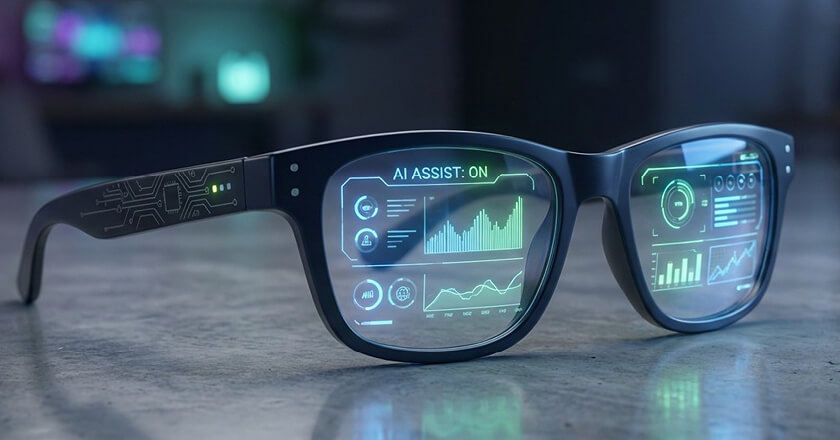
    HTC recently launched its AI-powered Vive Eagle smart glasses in North America, Europe and Australia for $499. A launch that steps directly into an arena with growing consumer concerns over secret recordings.

    Designed with a privacy-first architecture, the eyewear features 3K video recording, Zeiss lens options, local AES-256 data encryption, and multi-sensor anti-tamper LEDs. Users can toggle between OpenAI’s ChatGPT and Google Gemini models, which process de-identified requests to prevent AI profiling.

    The eyewear will ship in two distinct styles and multiple colour variants.

    The U.S. market entry follows HTC’s initial unveiling of the Vive Eagle last year, where the company targeted the smart glasses segment with an early rollout in its home market of Taiwan.

    To counter surveillance anxieties, the Vive Eagle incorporates hardware-level safeguards designed to prevent covert filming. The glasses feature a prominent recording LED backed by ambient light and proximity sensors; if the light is obstructed or tampered with, the camera functionality immediately shuts off.

    Additionally, the device requires active contact with the wearer’s face to record, and HTC has implemented a feature allowing people nearby to stop an active recording using a simple voice command.

    On the software side, requests processed through partner AI platforms are anonymised, and no captured data is used to train AI models.

    By emphasising stringent privacy controls alongside multi-model AI access, HTC aims to carve out a distinct position in a rapidly expanding yet increasingly scrutinised consumer category.

    Source: Mobile World Live

    Image Credit: ShutterStock


    Source: Tahawul Tech

    Previous ArticleTwelve countries plan restrictions on trade with Israeli settlements
    Next Article AIM Congress charts global investment shift towards AI, advanced technologies

    Related Posts

    Is AI solving the biggest problem in furniture shopping?

    September 12, 2026

    Kaspersky unveils how the worst cyber incidents hit SMBs over the past year

    September 12, 2026

    Mistral raises €3 billion in funding round

    September 12, 2026
    Latest Posts

    UK-based Indian nurse wins $250,000 Aster Guardians Global Nursing Award

    September 12, 2026

    UK reaffirms solidarity with Saudi Arabia during call between foreign ministers

    September 12, 2026

    Is AI solving the biggest problem in furniture shopping?

    September 12, 2026

    Putin calls for expanding UN Security Council representation for Asia, Africa, Latin America

    September 12, 2026
    Don't Miss

    UK-based Indian nurse wins $250,000 Aster Guardians Global Nursing Award

    By Editorial TeamSeptember 12, 2026

    An Indian nurse who dedicated her work to addressing inequities in healthcare and strengthening access…

    Austria’s inflation rate up by 0.9% to 3.1% in March

    April 1, 2026

    Saudi FM, UN chief discuss regional developments in phone call

    April 1, 2026
    2026. All rights reserved.
    • KSA
    • UAE
    • GCC
    • Technology
    • Lifestyle
    • Sports
    • Contact us

    Type above and press Enter to search. Press Esc to cancel.