


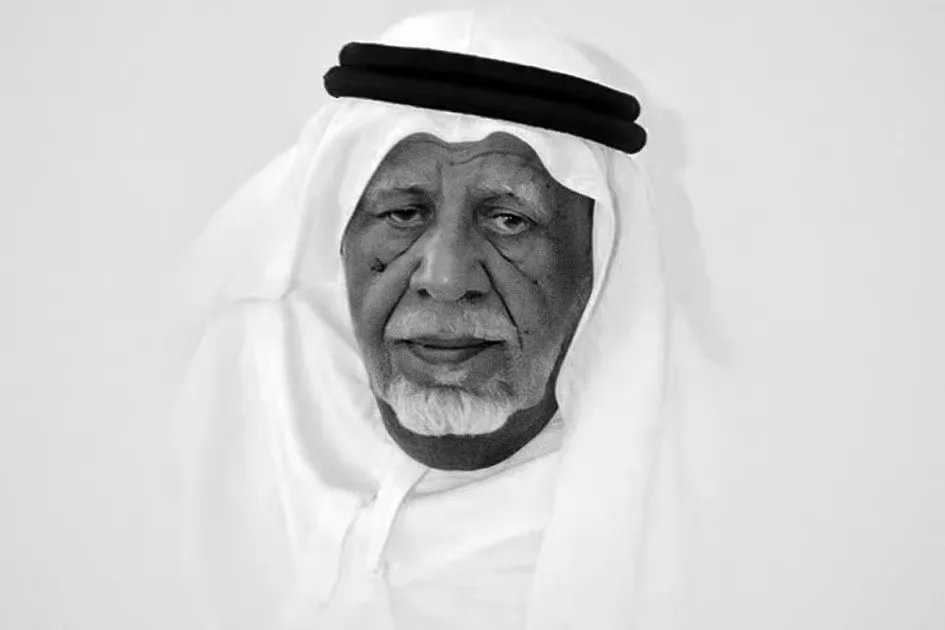
For over five decades, Mohammed Ibrahim Obaidullah dedicated his life and wealth to building hospitals, specialised clinics, and care centres, asking for nothing in return. His charitable work, largely done in silence, touched the lives of millions, and quietly transformed the healthcare landscape of the UAE.
“You can sit and learn under a tree,” the late Mohammed Ibrahim Obaidullah used to say. “But if you are sick, you cannot be treated under a tree. You need a sterile hospital.”
Now, nearly a year after his passing, his legacy is being recognised with the prestigious Abu Dhabi Award. In an exclusive interview with Khaleej Times, his son, Abdullah Mohamed Obaidullah, reflects on the lessons left behind by a father who believed that true charity is not about giving a temporary handout, but about building lasting infrastructure for the benefit of all.
Stay up to date with the latest news. Follow KT on WhatsApp Channels.
A vision born from empathy
Mohammed Ibrahim Obaidullah’s journey began in Dubai, where he started working at a young age alongside his grandfather’s friend, Ali bin Abdullah Al Owais. He gained experience in trade, and real estate, but it was his acute awareness of the community’s needs that truly defined his path.
According to his son Abdullah, Obaidullah had two main pillars of focus: education and healthcare. While he viewed education as a weapon to empower individuals, he understood that health was the fundamental prerequisite for a good life.
“If a person is poor or sick, where do they go?” Abdullah recalls his father saying. “You might be able to learn under a tree, but an ICU requires a hospital.”
This realisation was sparked during a visit to his aunt at the old Saif Al Ghobash hospital in Ras Al Khaimah. Seeing the rudimentary conditions, Obaidullah decided to build a small 20-room hospital. To his surprise, it reached full capacity in a single day. Recognising the immense need, he decided to scale up his efforts, laying the foundation for what would become a comprehensive healthcare network.
Building for the future
Obaidullah’s approach to philanthropy was highly structured. Rather than simply donating money, he believed in building complete, high-standard medical facilities and handing them over to the Ministry of Health to operate.
He built a major hospital in Ras Al Khaimah, which was named the Ibrahim Obaidullah Hospital after his grandfather, at the suggestion of the late Sheikh Saqr bin Mohammed Al Qasimi. The facility grew to encompass approximately 250 beds and featured one of the largest laboratories in the region.
When he noticed patients waiting late into the night for kidney dialysis, he immediately funded a new, dedicated building to expand capacity to nearly 150 rooms. Later, after visiting a facility in the Shimal area, he established what is believed to be the first specialised hospital for the elderly in the region, ensuring that senior citizens received care in an environment tailored to their specific needs.
His impact extended beyond Ras Al Khaimah. In Dubai, he established specialised clinics for dentistry and facial treatments. He also brought groundbreaking medical technology to the UAE, including a mobile CT scanner that could be brought directly into the ICU or hospital room, significantly reducing the risks associated with moving critically ill patients.
The quiet philanthropist
Despite the monumental scale of his contributions, Obaidullah was a man who preferred to remain in the shadows. He believed that true charity did not require an audience.
“He always said there are two types of charity,” Abdullah shares. “There is the charity that people see, like a hospital, which encourages others to do the same. And then there is the charity that is between you and the person in need, which no one else needs to know about.”
His daily routine reflected this deep commitment to helping others. He would hold a majlis (gathering) in his office every morning and evening, where people from all walks of life from ministers to ordinary citizens would come to him with their problems. Whether it was a medical emergency, a financial struggle, or a bureaucratic hurdle, Obaidullah would quietly make calls and find solutions.
“He didn’t just give someone money to solve a problem temporarily,” Abdullah notes. “He wanted to solve the root of the problem. If someone needed a job, he would help them find one or get the necessary training so they could support themselves continuously.”
A legacy that lives on
As the Obaidullah family took the Abu Dhabi Award on his behalf, they view it as a profound honour that validates their father’s lifelong dedication to the UAE.
“When the President of the UAE may God protect him, calls you, thanks you, and praises your father, it is an immense honour,” Abdullah says. “It shows that the government sees and appreciates those who serve the country.”
Today, the hospitals built by Mohammed Ibrahim Obaidullah serve over 110,000 people annually. Since their inception, these facilities have treated well over a million patients, regardless of their nationality or financial status.
Carrying the torch
For Abdullah and his siblings, continuing their father’s work is not a duty imposed upon them, it is a calling they have absorbed from a lifetime of watching him. “We walk the same path,” Abdullah said. “God willing, we will complete what he started and be able to do at least a part of what he did.”
The commitment is practical and ongoing. The family is currently in the process of purchasing new medical equipment for the hospitals, ensuring the facilities remain up to date. They continue to support students financially and work closely with Beit Al Khair, the charitable organisation, to assist families in need always in the spirit of sustainable help rather than temporary relief.
Abdullah’s daughter, who grew up watching her grandfather dedicate his life to medicine and people, chose to become a doctor. When she graduated, she went to her grandfather to greet him and present him with her degree.
“She now works at Rashid Hospital, trying to help people in the same way her grandfather did,” Abdullah says, he added. “My children grew up around him. They watched what he did, they asked him questions, they were shaped by him. The influence passed in a way that is truly extraordinary.”
Mohammed Ibrahim Obaidullah had always hoped that one of his grandchildren would enter the medical field. In the end, it was not just one. The legacy he built in brick and mortar has also taken root in the hearts of those who loved him most.
“Praise God, his work remains,” Abdullah reflects, noting that in just five days’ time, it will have been exactly one year since his father’s passing. “God willing, his deeds will be a source of goodness for us and for him.”.
Source: Khaleej Times