


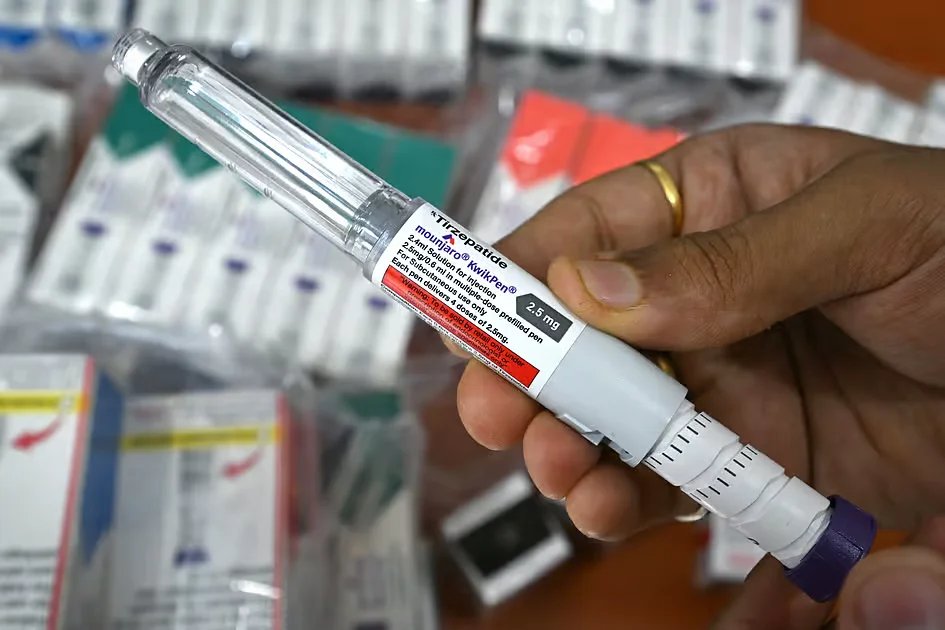
For many people, GLP-1 medications have become synonymous with dramatic weight loss. But UAE doctors say the scale may reveal only part of their impact.
Growing research and local clinical experience suggest these therapies may also support heart, liver and kidney health, highlighting an expanding role for a class of drugs once used primarily to treat diabetes.
“GLP-1 receptor agonists offer benefits beyond weight loss,” said Dr Julie Shah, Consultant in Endocrinology and Obesity Medicine at Sheikh Shakhbout Medical City (SSMC) in Abu Dhabi.
Stay up to date with the latest news. Follow KT on WhatsApp Channels.
“They reduce cardiovascular inflammation, lowering the risk of heart failure, myocardial infarction and stroke. They improve glucose metabolism and may prevent or slow the progression of type 2 diabetes. Evidence also suggests protective effects against metabolic liver and kidney disease.”
The shift reflects an evolving understanding of medications such as semaglutide and tirzepatide, which first gained prominence as treatments for type 2 diabetes before becoming household names through brands such as Ozempic and Mounjaro.
While public attention has often focused on dramatic transformations, celebrity endorsements and concerns over side effects, clinicians say another side of the story is emerging.
“The therapeutic footprint of this drug class is expanding year on year,” said Hala Zakaria, Innovation, Research and Operations Manager at Metabolic, formerly GluCare.Health.
“When these medications first gained traction, the conversation was almost entirely about glycaemic control. Regulatory approvals and major trial data have since broadened that picture considerably, including cardiovascular risk reduction in type 2 diabetes, kidney protection with semaglutide, metabolic dysfunction-associated steatohepatitis (MASH) and obstructive sleep apnoea.”
Beyond the number on the scale
Closer to home, data collected from patients in the UAE appears to mirror those international findings.
Metabolic’s 2025 Outcomes Report tracked 2,310 patients enrolled in diabetes, pre-diabetes and obesity programmes across its Dubai clinics between January and December last year. The report found improvements extending beyond body weight alone.
In its pre-diabetes cohort, reversal to normal blood sugar levels was accompanied by significant reductions in triglycerides, LDL cholesterol, total cholesterol and liver-related markers.
Within weight-management programmes, triglycerides fell by an average of 20.8 mg/dL after six months, while patients also reported improvements in mobility, pain levels, sleep apnoea risk and mental wellbeing.
Published research from the provider examining semaglutide and tirzepatide within a structured care programme also found metabolic syndrome reversal rates exceeding 50 per cent in some patient groups.
Metabolic syndrome refers to a cluster of conditions — including obesity, high blood pressure, elevated blood sugar and abnormal cholesterol levels — that increase the risk of heart disease and diabetes.
Across 51 UAE patients receiving treatment, researchers observed reductions in waist circumference, triglyceride levels and diastolic blood pressure over six months.
‘Regaining health’
For 49-year-old Brazilian expat Sheyla Sanches, who works as a nursery manager in the UAE, the benefits of GLP-1 therapy extended far beyond what she initially expected.
“I started my GLP-1 journey about four years ago, and over that time I have lost more than 40 kilograms,” she said.
“Like many people, my initial goal was simply to lose weight and improve my overall health. What I did not expect was the profound impact it would have on so many other aspects of my wellbeing.”
Before starting treatment, Sanches said she had been living with several metabolic conditions, including insulin resistance, pre-diabetes, high cholesterol, fatty liver disease and polycystic ovary syndrome (PCOS).
“As I progressed through treatment under medical supervision, my doctors monitored my health through regular blood tests and assessments,” she said.
“The results were remarkable. My blood sugar levels returned to normal, my insulin resistance improved significantly, my cholesterol normalised, and my fatty liver disease resolved.”
“The most emotional moment for me was realising that I wasn’t just losing weight. I was regaining my health.”
“Seeing those results on paper was incredibly rewarding because it confirmed that the transformation was happening internally, not only externally.”
Sanches credited regular medical follow-up and lifestyle changes as key elements of her success.
“The medication gave me the opportunity to regain control of my health, but it also taught me the importance of taking care of myself consistently,” she said.
“Through this journey, I developed a healthier relationship with food, became more mindful of my nutrition, and embraced regular exercise as part of my lifestyle.”
“For me, GLP-1 treatment was never just about losing weight. It became an opportunity to reverse serious health conditions, improve my quality of life, and build a healthier future.”
‘The food just stopped calling me’
For Sofiane, a 40-year-old French entrepreneur living in Dubai, the decision to start GLP-1 treatment was driven by concerns about both his weight and his overall health.
At the time, he weighed 132kg at a height of 191cm and had been diagnosed with fatty liver disease, sleep apnoea, elevated cholesterol, high levels of the liver enzyme GAMMA GT and increased uric acid levels.
“I knew things were going wrong,” he said. “I’d tried diets, exercise, nothing stuck.”
While he expected to lose weight, he said some of the most surprising changes had little to do with the scale.
“Without a doubt, the disappearance of my cravings was the biggest surprise,” he said.
“Literally overnight, I stopped being attracted to the food that was basically running my life before — burgers, pizza, sweets, Coke. I didn’t fight it, I didn’t resist it. It just stopped calling me.”
He said he was equally surprised when follow-up medical tests showed improvements in other aspects of his health.
“What genuinely shocked me was seeing my fatty liver markers, GAMMA GT levels and uric acid normalise,” he said. “Those results confirmed that this wasn’t just about the number on the scale.”
Today, Sofiane weighs 91kg and says the experience transformed his understanding of obesity treatment.
“GLP-1 isn’t a shortcut. It’s a tool, a powerful one, but only if you build a complete lifestyle around it,” he said.
“The real transformation is mental, not physical. You have to completely rewire how you think about your body, food, energy and time. The weight is just the visible part.”
Improvements may emerge early
According to clinicians, some improvements may occur before substantial weight loss becomes apparent.
“Metabolic improvements often appear before noticeable weight loss,” Dr Shah said.
“Early changes include better glycaemic control, improved appetite regulation and increased satiety, even before objective weight changes occur.”
Metabolic’s own data suggested a similar pattern.
In patients with pre-diabetes, HbA1c levels declined within three months, while reversal to normal glycaemic ranges was achieved by many participants within six months, at a time when average BMI reductions remained relatively modest.
“This supports the emerging clinical view that GLP-1 therapies exert direct cardiometabolic and organ-level effects,” Zakaria said.
“Our data shows that several metabolic markers begin to shift early in treatment, often before patients reach the 5 per cent or 10 per cent weight-loss thresholds typically considered clinically significant.”
Rethinking success
Doctors say the public conversation around GLP-1 medications has not always kept pace with the science.
“The most common misconception is that the number on the scale is the primary, or only, measure of whether treatment is working,” said Dr Yousef Said, Medical Director at Metabolic.
“Patients often come in expecting rapid, linear weight loss, and when progress slows or plateaus, they interpret that as failure.”
“In reality, profound metabolic change can be happening under the surface: blood sugar stabilising, liver enzymes normalising, kidney function improving, blood pressure decreasing, sleep quality improving — often before significant weight loss is visible.”
Dr Shah echoed those concerns.
“In general, many patients focus on rapid, visible weight loss,” she said.
“However, true success is measured by health outcomes, not appearance. Patients should be educated about metabolic improvements and body composition rather than focusing solely on weight.”
Need for medical supervision
Experts stressed that the medications are not a shortcut to good health and should not be used without proper oversight.
“There are concerns about self-medication and unsupervised use of these medications for cosmetic weight loss,” Dr Shah said.
“Incorrect dose escalation can increase adverse effects, and some individuals may have medical conditions that contraindicate use.”
Dr Said said Metabolic increasingly encounters patients who have used GLP-1 therapies independently, often with disappointing results.
“Without structured clinical oversight, baseline testing and continuous monitoring, the medication alone rarely delivers its potential,” he said.
Both specialists emphasised that lifestyle changes remain essential.
“A common misconception is that medications replace lifestyle changes,” Dr Shah said. “In reality, optimal outcomes require dietary modifications, resistance training and healthy sleep habits.”
She added that while evidence supporting weight reduction, improved glycaemic control and cardiovascular risk reduction is robust, “careful patient selection and counselling are essential before initiating treatment”.
As researchers continue to explore the wider effects of GLP-1 therapies, doctors say one message is becoming increasingly clear: these medications may influence far more than the number displayed on a bathroom scale.
Source: Khaleej Times