


DUBAI, 9th May, 2026 (WAM) — Hussain Nasser Al Rahma, Founding President of Emirates Intensive Care Society under the Emirates Medical Association and Founding Chairman of the Emirates Critical Care Conference, said the event has become a leading platform across the Gulf, the Middle East, and North Africa for global manufacturers of medical devices and healthcare technologies.
Speaking on the sidelines of the conference at InterContinental Dubai Festival City, Al Rahma said international companies are increasingly choosing the UAE to launch their latest innovations, recognising the country as a strategic gateway to rapidly expanding regional healthcare markets.
He revealed that the conference showcased a new generation of dual-action antibiotic therapies developed to combat infections and fungal diseases. Clinical studies on patients receiving the combined therapies showed positive outcomes, including faster recovery and shorter hospital stays.
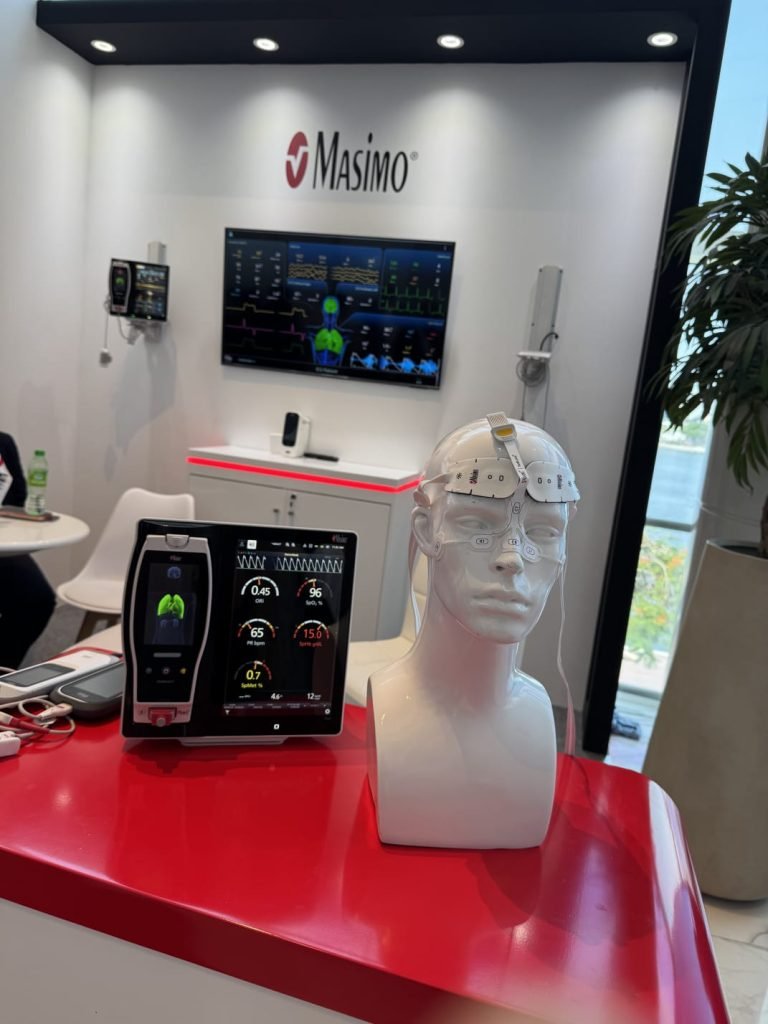
Al Rahma also highlighted advanced artificial intelligence-driven medical technologies presented during the accompanying exhibition, including a device equipped with sensors positioned around the patient’s head to analyse brain activity in real time.
He explained that the system provides anaesthesiologists with detailed neurological data and accurately determines anaesthesia levels required during surgical procedures, while continuously monitoring patient consciousness and dosage requirements throughout operations. He noted that the AI-generated assessments achieve near-perfect accuracy.
The conference additionally unveiled an AI-powered aerosol drug delivery system resembling a ventilator, enabling highly precise administration of medication particles directly to targeted organs and treatment areas.
Al Rahma said the technology is particularly beneficial for paediatric patients who often face difficulties taking oral medication.
In statements to WAM, he said artificial intelligence has triggered a major transformation in Intensive Care Units (ICUs), significantly improving survival and recovery rates by enabling real-time analysis of large volumes of patient data and supporting faster clinical decision-making.
He explained that predictive analytics and AI-powered early-warning systems can anticipate critical deterioration in patient conditions, including acute heart failure and sepsis, before symptoms become severe, allowing doctors to intervene proactively.
He added that AI technologies are enhancing continuous remote monitoring of patients through real-time observation of vital signs, while also reducing administrative workloads and paperwork for medical teams, enabling healthcare professionals to focus more directly on patient care.
Al Rahma stressed that AI contributes to reducing human error, accelerating response times, and supporting personalised treatment plans tailored to individual patient conditions.
He concluded by emphasising that artificial intelligence will not replace physicians or nursing teams, but rather serve as an advanced supportive tool that enhances the accuracy of medical decisions and strengthens the efficiency of healthcare professionals in patient monitoring and clinical care.
Source: Emirates News Agency